
English speakers view French as "fancy" due to history, class associations, and cultural stereotypes rather than any built-in elegance in the language itself. Research on language perception shows that no language is objectively more beautiful or refined than another—listeners project social meanings onto how a language sounds. [1] (https://french.stackexchange.com/questions/24724/what-languages-are-perceived-as-classy-or-fancy-to-french-speakers), [2] (https://www.reddit.com/r/language/comments/1y2u7bx/why_english_native_say_french_sound_fancy/), [3] (https://www.instagram.com/reel/C27pwnovyzl/?hl=en), [4] (https://www.youtube.com/shorts/EJRrNal6JGo)
Why French Specifically Feels "Fancy" to English Speakers
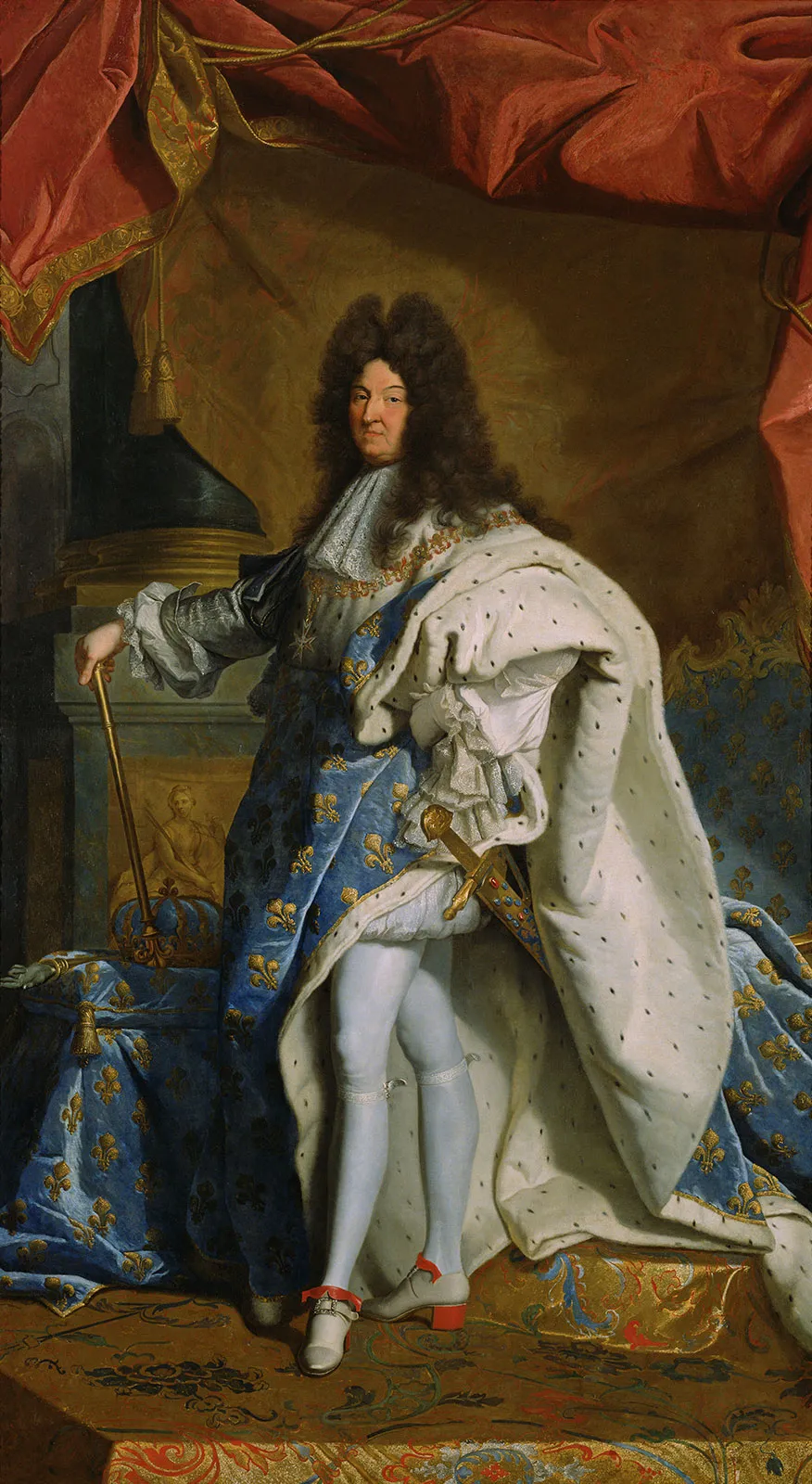
• Royal and upper-class history: After the Norman Conquest of 1066, French became the language of the English court, nobility, law, and administration for roughly 300 years. Everyday English often kept Germanic words for common things, while French loanwords became terms for prestige, dining, fashion, and status (for example, beef vs. cow, or cuisine vs. cooking).
• European prestige (lingua franca): From the 17th to the 19th centuries, French served as the primary language of diplomacy, high culture, and educated elites across Europe.
• Cultural stereotyping: People tend to map stereotypes about a country's culture onto its language. As discussed in Language Lab, when listeners associate France with art, fashion, food, and romance, those traits spill over into how the language feels. [1] (https://medium.com/language-lab/what-makes-a-language-sound-beautiful-46c32d506192), [2] (https://www.youtube.com/watch?v=vAk_Ees24zM), [3] (https://www.reddit.com/r/language/comments/1y2u7bx/why_english_native_say_french_sound_fancy/), [4] (https://french.stackexchange.com/questions/24724/what-languages-are-perceived-as-classy-or-fancy-to-french-speakers), [5] (https://www.instagram.com/reel/C27pwnovyzl/?hl=en)
Why Spanish, Russian, or Japanese Aren't Tagged the Same Way
• Different historical roles in English: Spanish, Russian, and Japanese did not shape English's medieval aristocratic vocabulary the way Norman French did. When English borrows from French, it often carries an older association with high society.
• Different cultural stereotypes: As noted in Gianfranco Conti, rhythm and sound qualities also get filtered through cultural framing. English speakers more often frame Spanish around warmth, energy, or everyday vibrancy; Russian around dramatic weight or intensity; and Japanese around pop media, tech, or tradition—rather than "upper-crust elegance".
• Sound vs. label: French actually uses nasal vowels and soft, elided word endings that give it a smooth, flowing cadence to English ears, while also sharing guttural sounds that get labeled "harsh" in German. Opinions on French's sound itself vary—while many call it romantic or melodic, forum discussions on Quora show mixed opinions, with some listeners describing it as indistinct or mushy rather than refined. [1] (https://gianfrancoconti.com/2025/08/27/why-do-people-find-some-languages-more-attractive-than-others/), [2] (https://www.youtube.com/watch?v=EMTQbhNDUwg), [3] (https://www.youtube.com/watch?v=a2TWBBxwhbU&t=15), [4] (https://www.quora.com/Why-does-French-sound-so-beautiful-I-speak-four-languages-and-Ive-never-heard-a-language-more-beautiful-than-French), [5] (https://www.instagram.com/reel/C27pwnovyzl/?hl=en), [6] (https://www.reddit.com/r/language/comments/1y2u7bx/why_english_native_say_french_sound_fancy/), [7] (https://french.stackexchange.com/questions/24724/what-languages-are-perceived-as-classy-or-fancy-to-french-speakers), [8] (https://www.youtube.com/watch?v=vAk_Ees24zM), [9] (https://www.youtube.com/shorts/EJRrNal6JGo)
Are you curious about specific French loanwords in English, how English speakers' perceptions of other languages compare, or the history of French in England?