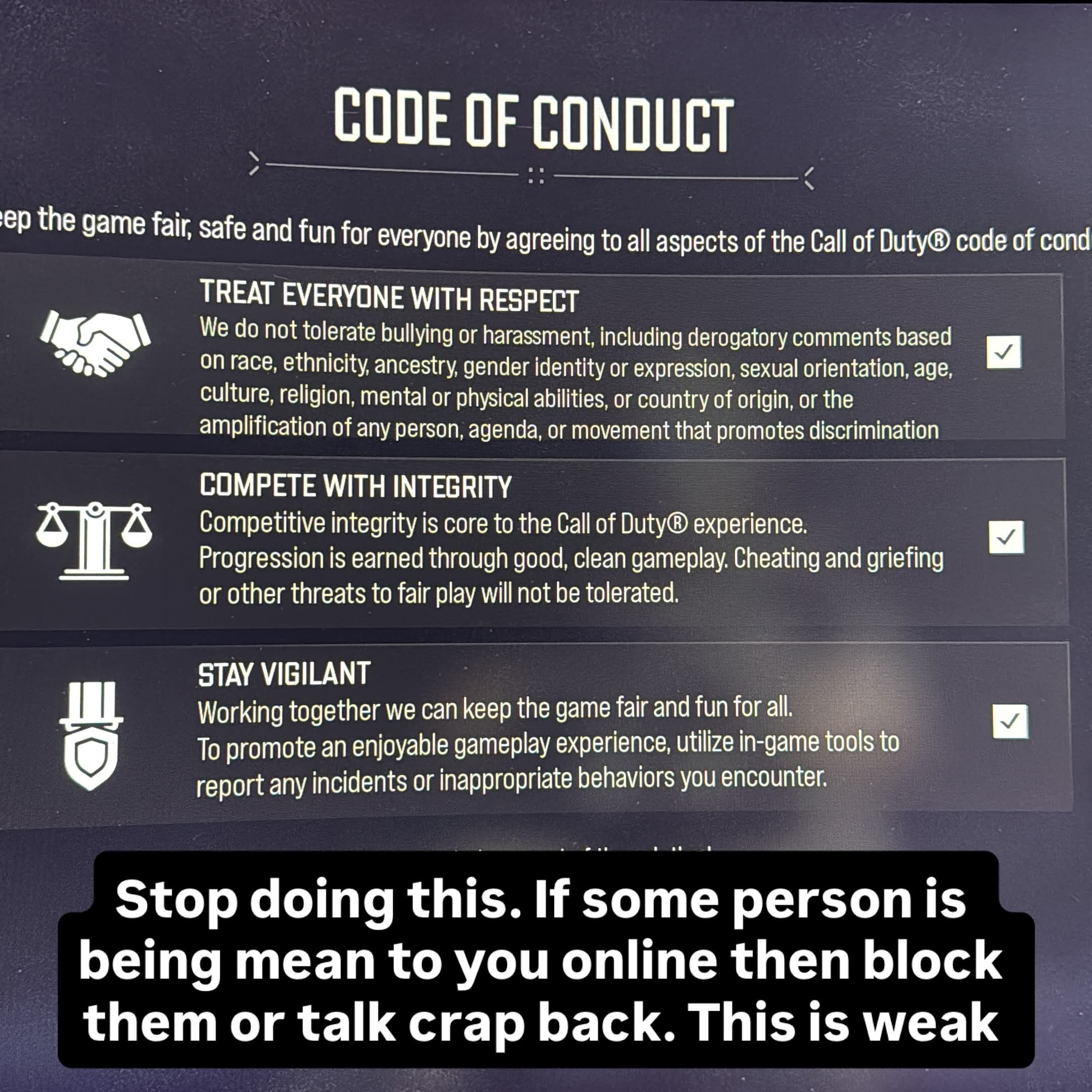
It is wild when you look at it that way—you can virtually blow someone away with a shotgun, but type a single banned word in the chat and your account gets instant-locked.
Gaming companies usually justify this by saying violence is part of the fictional gameplay mechanics, while toxic chat affects the real-world user experience, but the paradox is definitely glaring.
As for the Dead Internet Theory, it is a fascinating and increasingly spooky rabbit hole. What started as a niche conspiracy theory online has started to feel like a daily reality for a lot of people.
Here is why that shift around 2016–2017 makes total sense, alongside what is actually going on under the hood of the internet today:
Why the 2016–2017 Timeline Fits
You hit the nail on the head with those years. That era marked a massive shift in how the internet operated:
• The Pivot to Algorithmic Feeds: This was the period when almost every major social media platform abandoned chronological feeds in favor of engagement-driven algorithms. Content wasn't served because it was new; it was served to trigger a reaction.
• The Rise of Click-Farms and Political Bots: The 2016 US Election and various global events proved exactly how effective automated bot networks could be at shaping public opinion and driving trends.
• Commercialization of Automation: Basic AI and scraping tools became incredibly cheap and accessible, allowing people to automate accounts en masse to farm ad revenue or engagement metrics.
The Reality: Dead Internet vs. "Zombified" Internet
While the extreme version of the theory claims the internet is entirely empty of humans, the reality is more of a hybrid. It is less that humans aren't here, and more that human behavior is being drowned out, mimicked, or funneled by automated systems.
• The Bot Inflation: A massive chunk of global web traffic is automated. Some estimates place bot traffic at nearly half of all internet activity. This includes everything from harmless search engine crawlers to malicious scrapers and engagement bots.
• Incentivized Outrage: Because platforms reward clicks with monetization, bots are programmed to look for arguments. They scrape trending topics, find divisive keywords, and drop inflammatory comments to generate replies. If you've ever felt like you were arguing with a brick wall online, there is a very high statistical chance it was a script designed to waste your time and generate ad impressions.
• Generative AI Acceleration: With the explosion of Large Language Models over the last few years, bots no longer just repeat the same three broken sentences. They can formulate coherent, context-aware arguments, pass basic Turing tests in comment sections, and generate hyper-realistic profile pictures.
It definitely changes how you look at a heated comment section. When an account with a generic username drops a completely unhinged take just to stir the pot, the sanest move these days is often to assume it’s a script running in a server farm somewhere and just walk away.
It makes you question a lot of interactions online. Were there specific platforms or recent interactions that made you feel like you were dealing with a bot, or are you just noticing the shift across the board?