
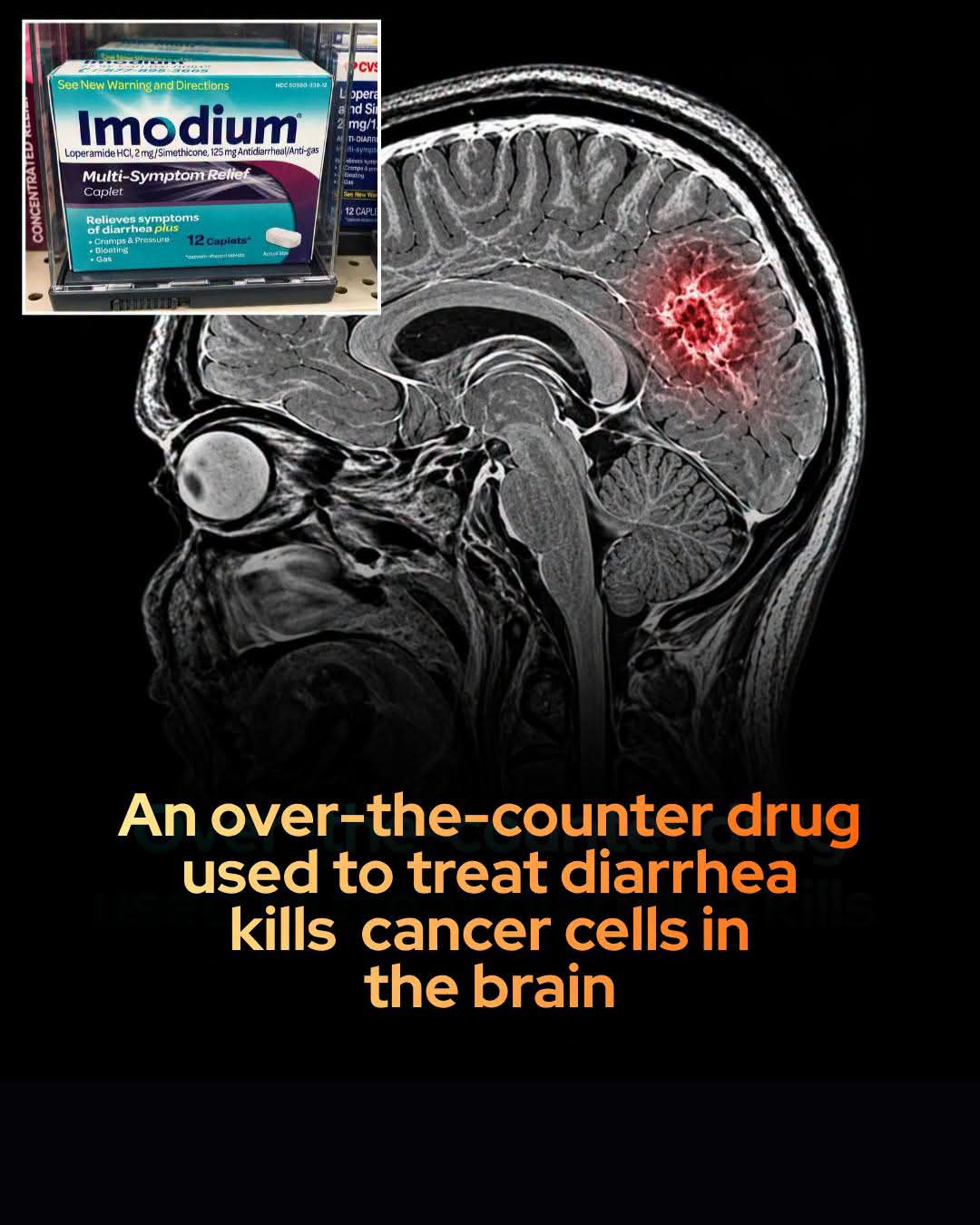
An anti-diarrhea drug can kill aggressive brain cancer cells, new research reveals.
A common over-the-counter anti-diarrhea drug could hold the key to triggering self-destruction in aggressive brain tumor cells.
In a compelling laboratory study, researchers from Goethe University Frankfurt discovered that loperamide—the active ingredient in over-the-counter anti-diarrhea medications like Imodium—can induce cell death in lab-grown glioblastoma cells.
Glioblastoma is an aggressive form of brain cancer notorious for resisting conventional treatments.
The team traced this anti-cancer effect to extreme stress placed upon the endoplasmic reticulum, an intracellular network responsible for protein manufacturing and folding.
While cancer cells typically utilize cellular recycling processes like autophagy to survive harsh conditions, the excessive stress induced by loperamide effectively flipped this survival mechanism into a lethal self-destruction routine.
The researchers determined that loperamide dramatically increases levels of ATF4, a key stress-response protein, which prompts the cell to engulf and digest large fragments of its own endoplasmic reticulum through a targeted process called reticulophagy. However, medical experts emphasize that this discovery does not mean taking loperamide can cure brain cancer.
Loperamide faces significant physical barriers to entering the brain, and taking high doses is extremely dangerous, posing risks of life-threatening heart rhythm disorders. Nevertheless, mapping this specific cellular stress pathway provides valuable guidance for scientists aiming to engineer novel, targeted glioblastoma therapies that safely exploit the same mechanism.
source: Meyer, N., et al. (2021). ATF4 links ER stress with reticulophagy in glioblastoma cells. Autophagy, 17(9), 2432-2448.