

Uh oh...
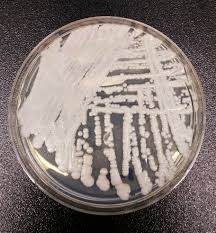
Candida auris is an emerging, multidrug-resistant fungus (yeast) that poses a serious global health threat. First identified in Japan in 2009, it primarily targets hospitalized patients and people in long-term care facilities who have severe underlying medical conditions or weakened immune systems.candida auris
+12
Candida auris is an emerging, multidrug-resistant fungus (yeast) that poses a serious global health threat. First identified in Japan in 2009, it primarily targets hospitalized patients and people in long-term care facilities who have severe underlying medical conditions or weakened immune systems.
Wikipedia
+3
You can read the CDC About C. auris page for official public health tracking and guidance.
Key Characteristics
Antifungal Resistance: Many strains resist major classes of antifungal drugs, making infections hard or sometimes impossible to treat.
Healthcare Spread: It easily passes from patient to patient and survives for long periods on room surfaces and medical equipment.
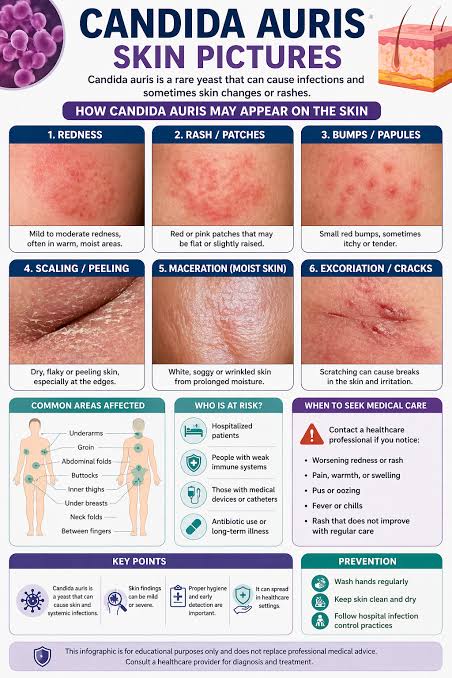
Skin Colonization: The yeast can live quietly on a person's skin or in hair follicles without causing overt sickness, acting as a hidden source of transmission.
Centers for Disease Control and Prevention | CDC (.gov)
+5
Symptoms and Risks
Infection Signs: Symptoms vary widely and lack unique features; they often mimic severe bacterial or other fungal sepsis. Common invasive types include bloodstream infections, wound infections, and ear infections.
Risk Factors: Long stays in medical facilities, use of invasive medical devices (like catheters or breathing tubes), recent surgery, and heavy use of antibiotics raise the risk. Healthy individuals rarely fall ill from it.
Cleveland Clinic
+3
Mortality: Invasive infections carry a high death rate, often exceeding one in three affected patients.
Mayo Clinic News Network
Diagnosis and Treatment
Specialized Testing: Standard laboratory fungal tests often misidentify C. auris. Advanced methods like mass spectrometry (MALDI-TOF) or molecular DNA sequencing are required for accurate detection.
Treatment Options: Doctors typically treat active infections using a class of antifungal medications called echinocandins, though multi-resistant cases require alternative or combination drug therapies.
