
What was social mobility like in European and maybe some other countries?
I didn't research it quite thoroughly yet, but in Russian Empire there was something called Table of Ranks. If a commoner spent enough time at the 14th rank and higher they could gain something called "personal nobility". This does not get passed down to your descendants. 8th rank and higher could grant you "hereditary nobility".
Here's an example of social mobility in Russian Empire. Lenin's father (born Ilya Ulyanin) was the son of a former serf based in Volga region. He received hereditary nobility in 1882 for his work as an educator. He started and managed a lot of schools for Volgan ethnic minorities and was likely some minority himself, but nobody is quite sure which one. Especially because this information was strongly suppressed by the Soviet leaders, as they feared this information could be used in adversarial propaganda.


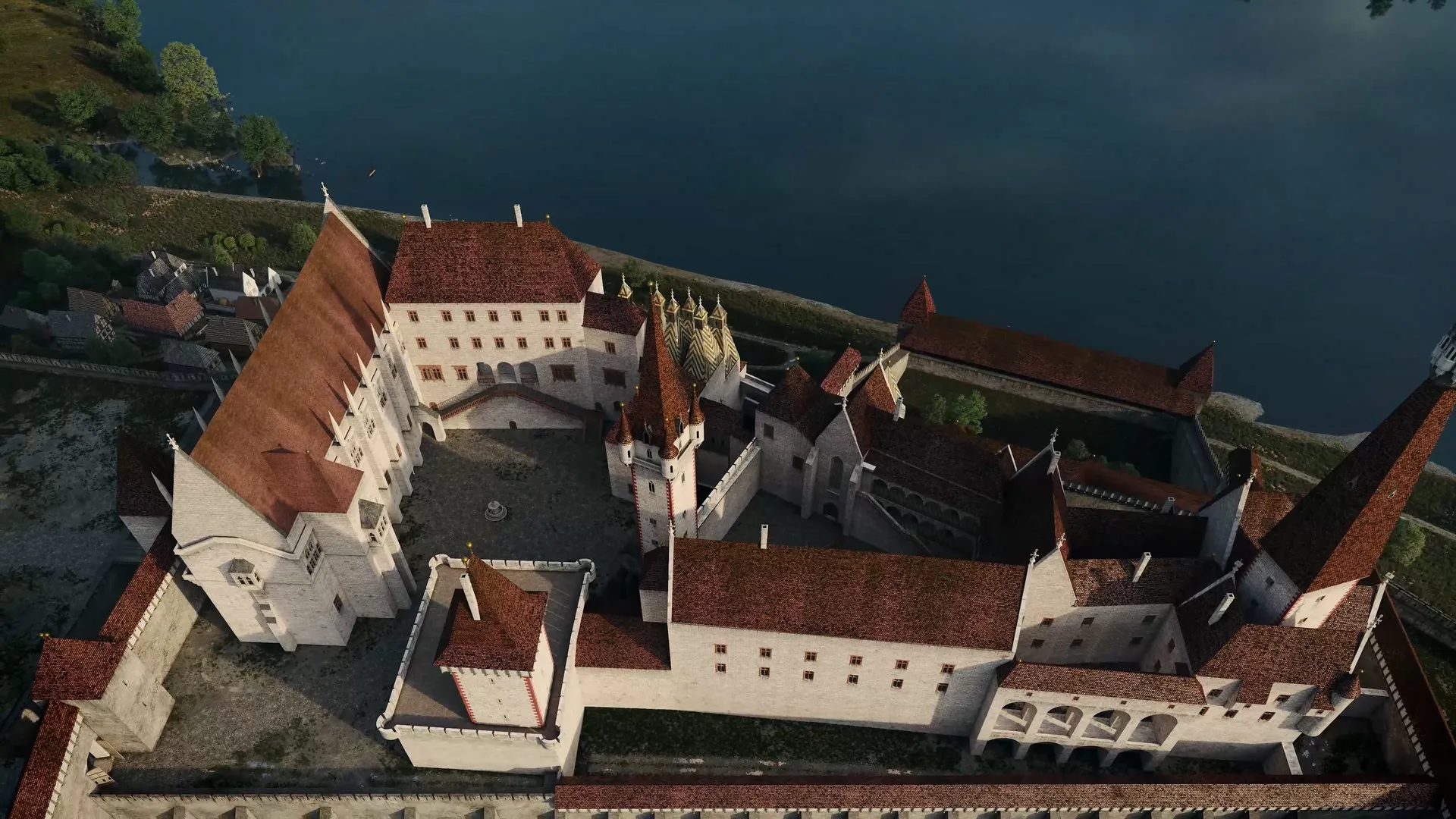
So. I'm writing this chiefly about the Medieval Kingdom of Hungary, but many aspects are true to other countries and societies.
There were three Estates: nobility, priesthood, burghers. But feudal society also had serfs and sometimes even slaves. The three Estates participated in the decision making via their representatives in the National Diet. The serfs had rights, while slaves essentially had none - I have to note slavery wasn't frequent on the Hungary, even tho laws do talk about them.
Important thing to note that Estates weren't castes, and the priesthood gained their members from the nobility and burghers, perhaps even the serfs.
I think the main thing that made the difference between the Estates and the serfdom is the legal authority above them. The Estates were responsible directly for the king, the king was the judge who decided in their legal matters, while over serfs their senior - the landholder - was who sat rule over them, they were personally dependent from him, he was the legal forum they could turn to and they expected justice to be made by him.
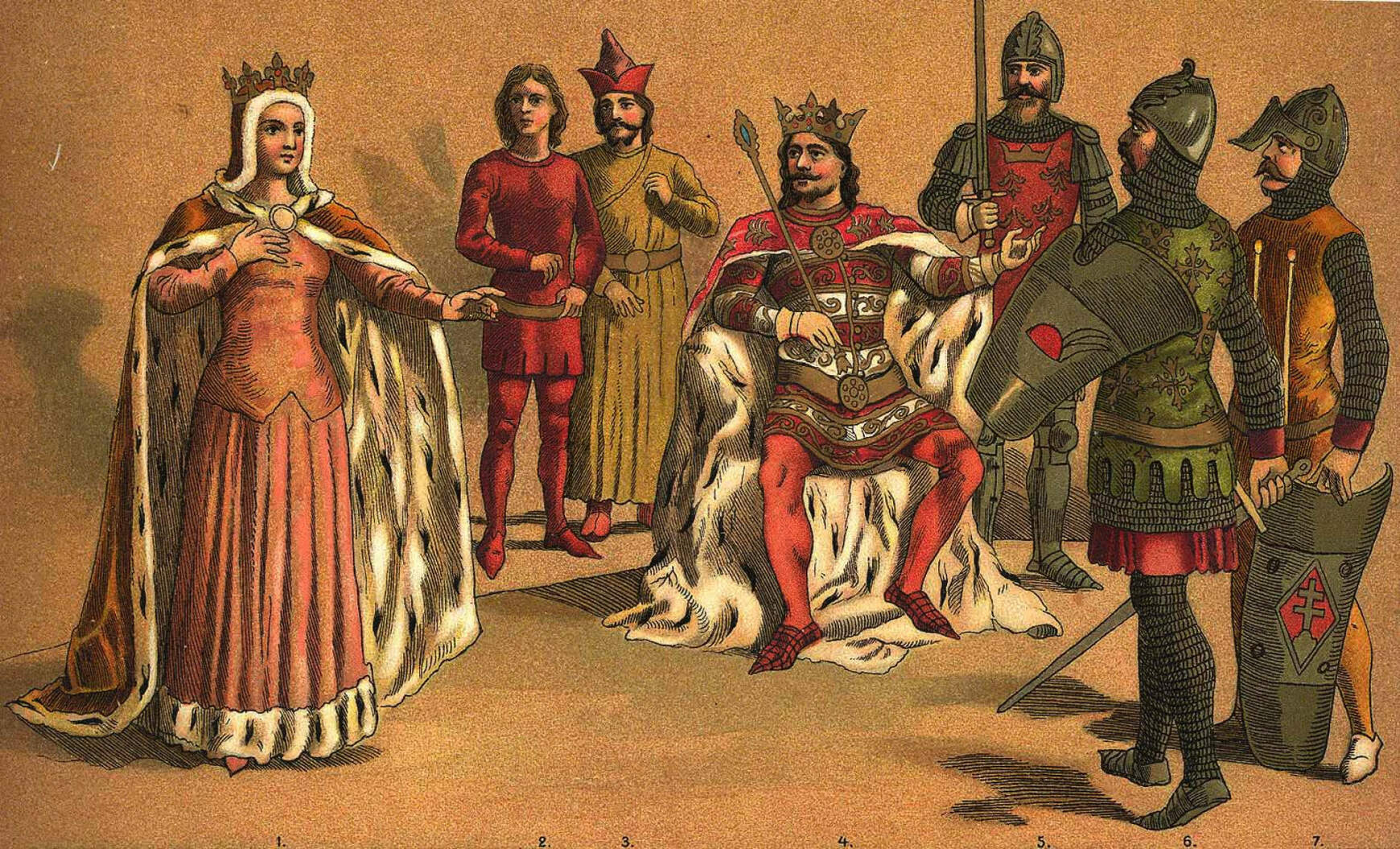
One sign of freedom was miliary service, but it was not absolute sign, landholders (nobles and priests) did recruit from the serfs, there were laws that mandated landholders to equip a certain number of soldiers (eg. one soldier per 10-20-30 serf households). So serfs did serve as soldiers, it wasn't the exclusive duty of nobility. Military service was one way of rising in society. Those who served well could be freed and ennobled. This frequently happened. Hungary had the second largest amount of nobles in Europe after Poland, I think about 10-13% of the whole society.
Other sign of freedom was land ownership, but again it was not absolute sign. Serfs were tenants who owed services as a form of rent to the landholder. Landholders were typically nobility and priesthood. But many nobles, especially in later centuries, had only owned the tiny plot of land where their house stood, a building which often wasn't any different to any serf's, beyond that they only had the letter that proved their nobility. Serfdom did get layered throughout the centuries and some serfs held lands, which they rented to tenants (other serfs), and they earned quite nicely with it.
Yet another sign was freedom was the right of tax exemption, but it was not an absolute sign. This was and non-alienable right of nobles sure, and of course of the Church as a whole, but others still had to pay tax as we'll see.
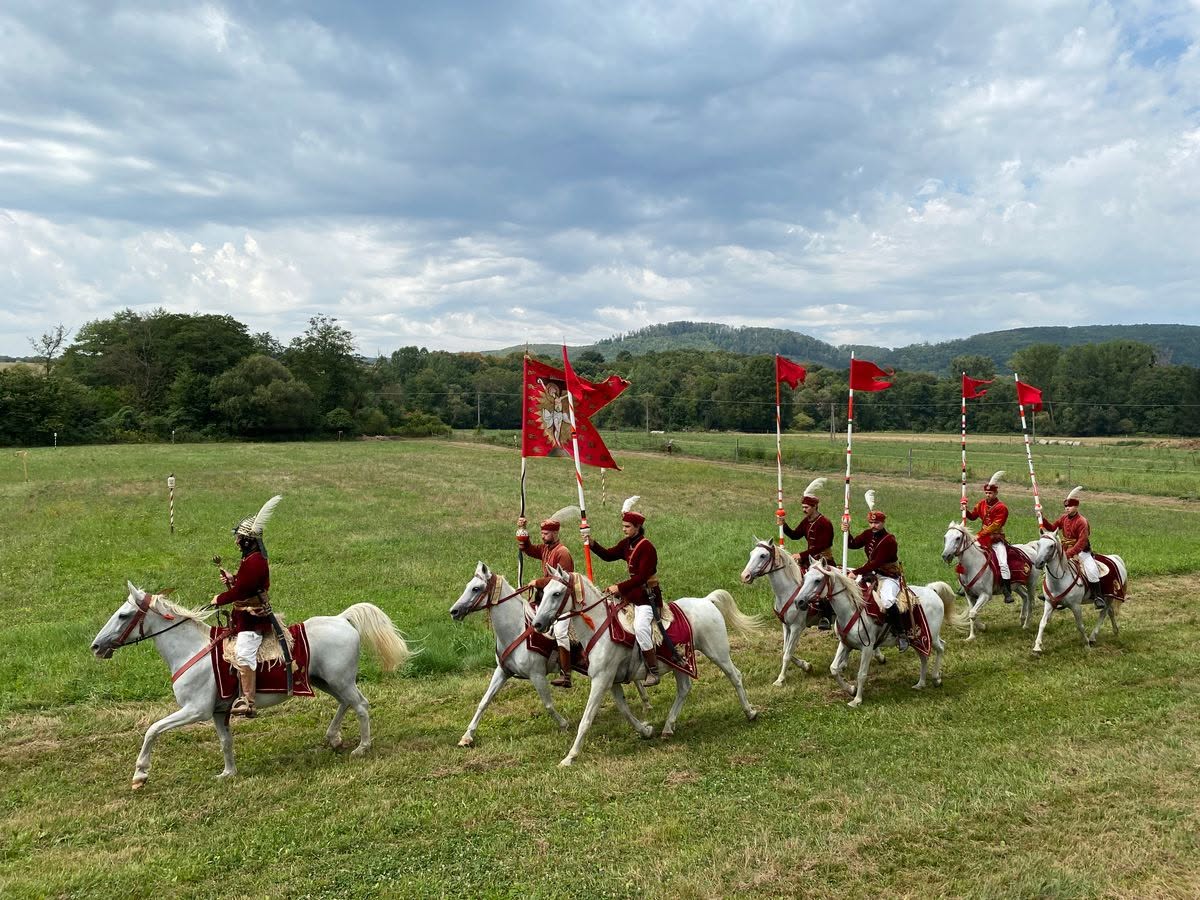
An aspect of Hungarian feudalism was the so called "familiarism". As far as I know this is unique to Hungary, and a very prominent feature, which highly differed from the classic Frankonian "vassalism". In the classic feudal chain the senior gives land (feudum) to his vassal, who serves him with arms or in any other way necessary, for example as official, bureaucrat. On the Hungary by the 13th century they did not give land with nobility, but they employed the vassal as "familiar" (a bannerman of sort), and payed them with money or in material. Consider them like mercenaries except they still owed their senior fealty, they took an oath of loyalty. And then they served as soldiers or officials.
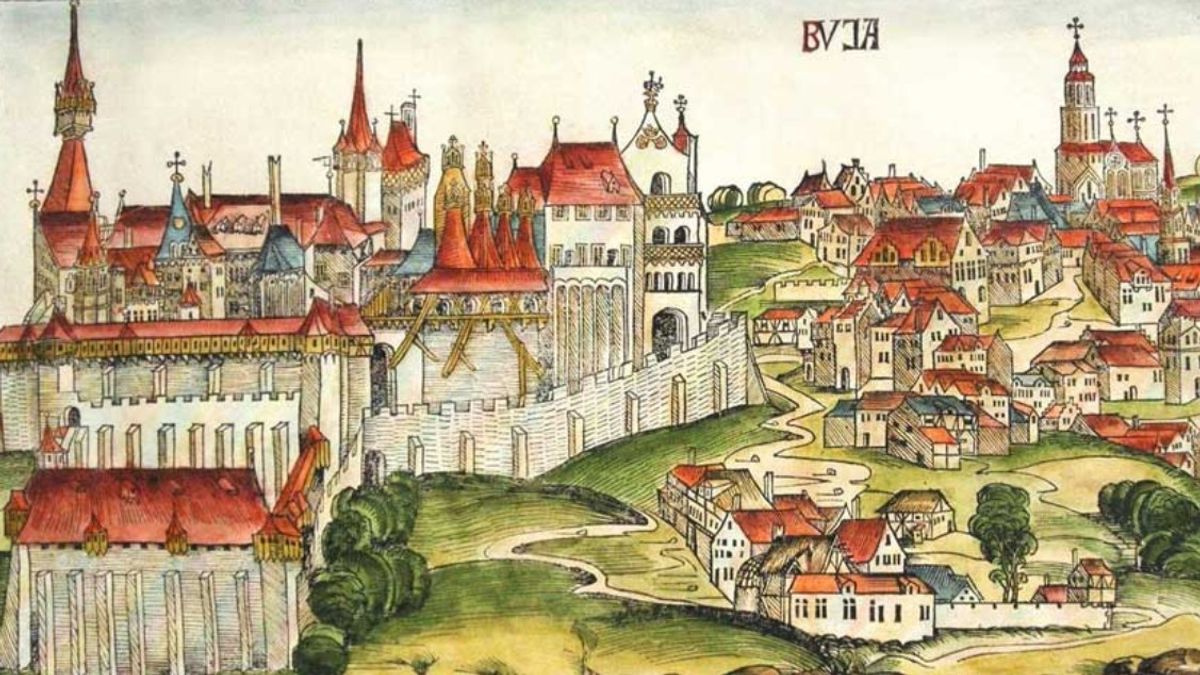
As for the burghers. In foreign Western historiography they usually call everyone a commoner who wasn't a noble or a cleric, and they consider commoners as Estate. Serfs and burghers and whatevers. On the Hungary it's different, perhaps there is a better term to describe this group, I just can't be arsed to look it up.
So by the 14th century a new type of settlement appears on the Hungary, the "civitas", which can be translated as city, but this is a legal term signaling that the town (large non-village settlement) has certain rights given by the king himself and which elevates the city from under the legal authority of a landholder to the king's. So as nobles and priests these civitas, as a commune were directly responsible for the king, they payed their taxes to him directly, and their legal goings with other entities were supervised by the king. They had their own local government that they could elect, the burghers in the civitas payed taxes to commune, the commune had judges who resided over the legal matter of the burghers. Each civitas could send their delegates into the Diet to participate in the legislation. Civitas could have various other rights, like taking tariffs or tolls, or they could behead people.
In comparison the other type of town that was frequent on the Hungary was the "oppidum", we call it something like "agricultural town" (there were other types of towns, this is just a common one). These were essentially large villages with markets, and became the centers of migration for opportunities. These were under the authority of landholders, and often the seat of a landholder was here. The king could make civitas out of oppidums, granting them rights. There were some governing bodies in here too, and various rights, but the populace consisted essentially of serfs.
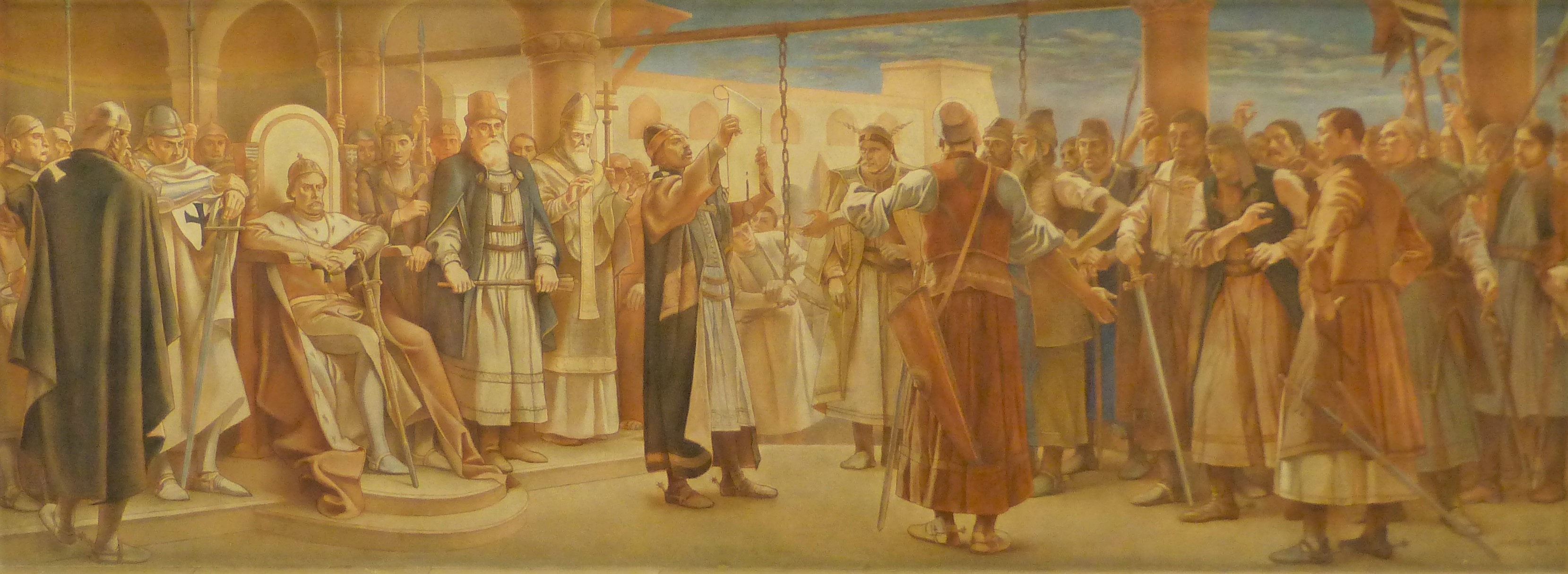
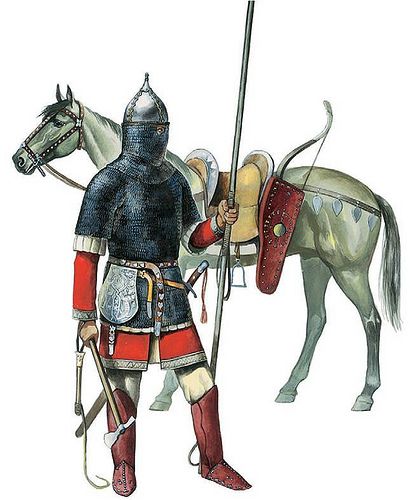
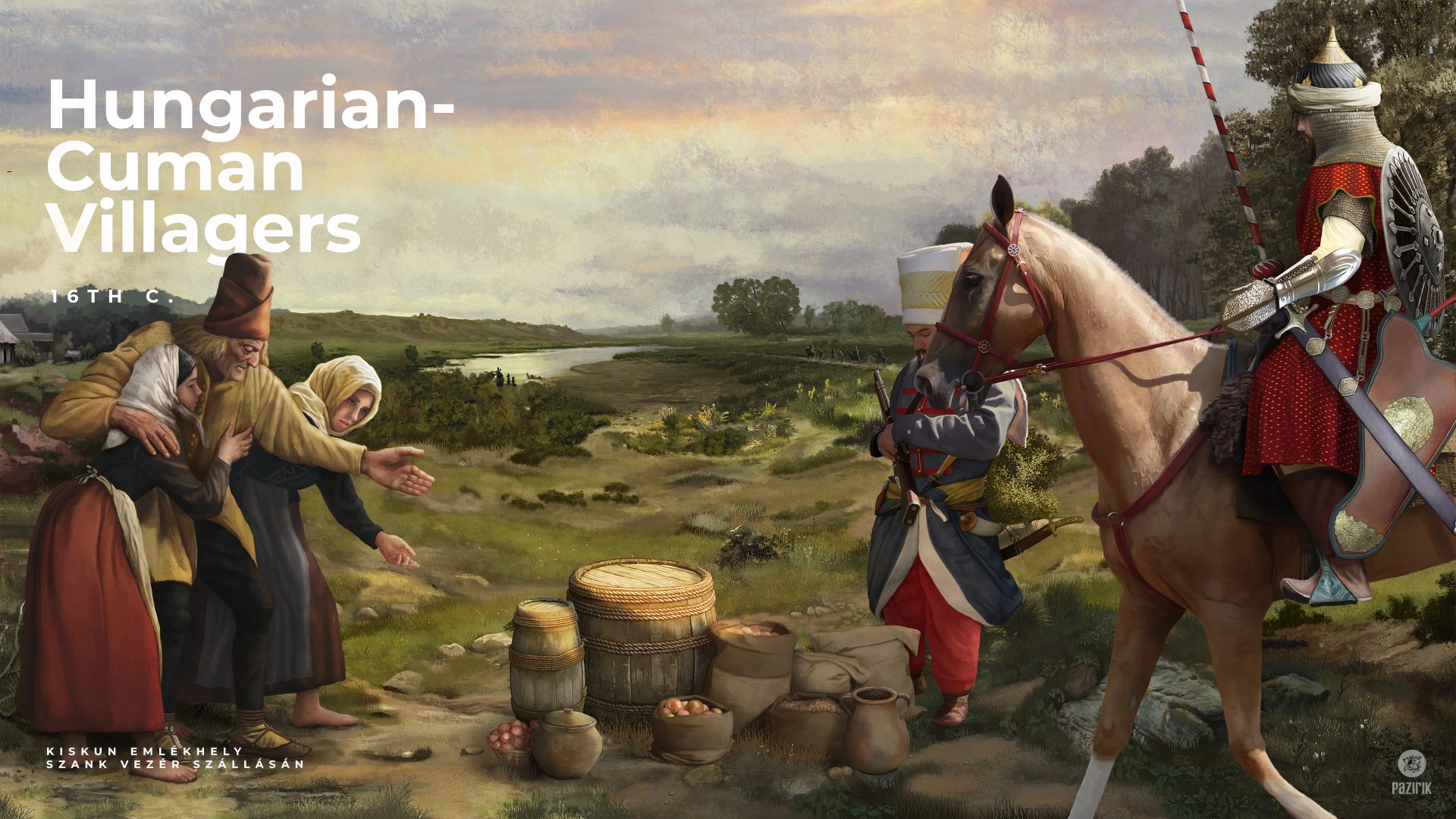
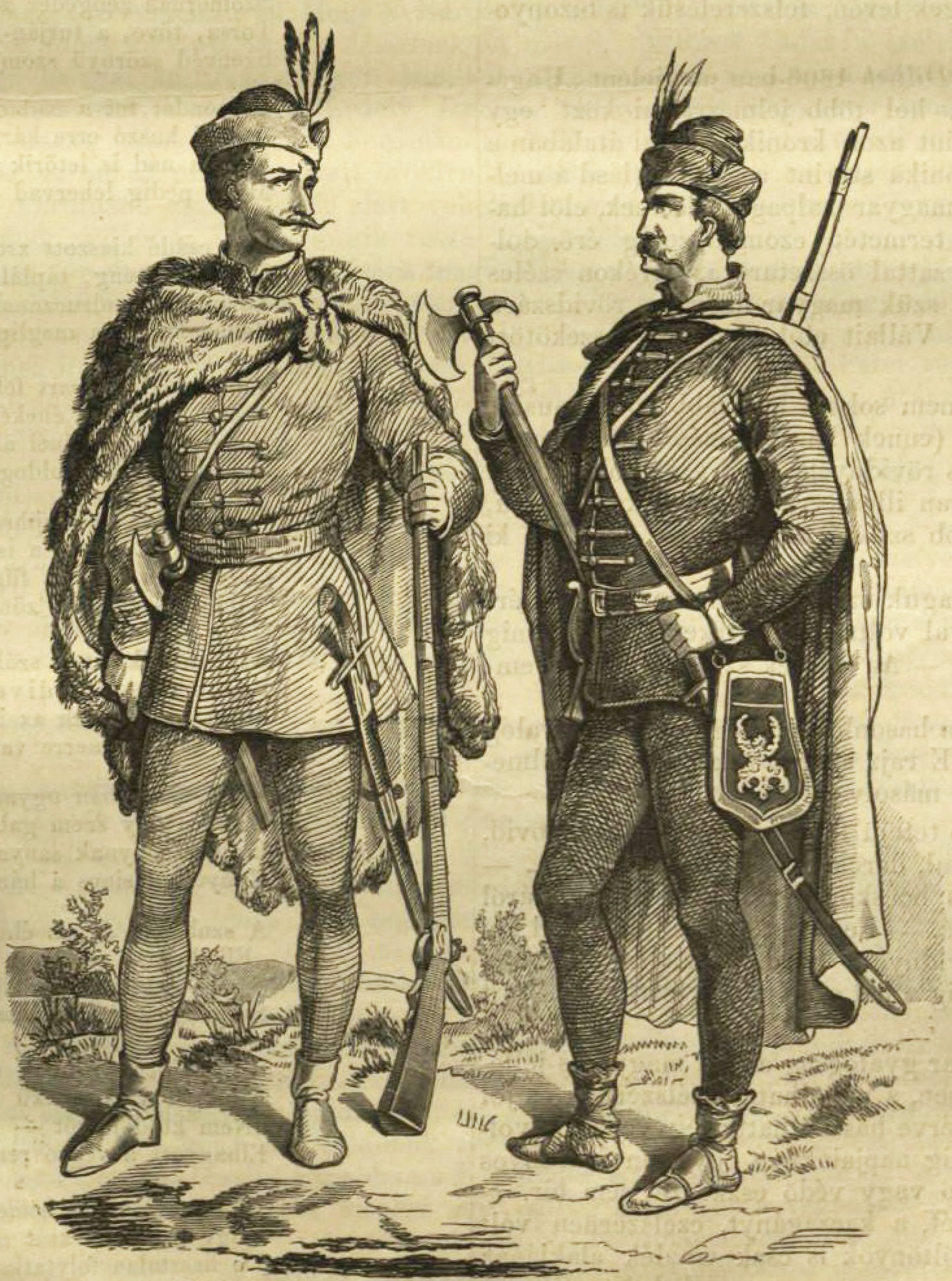
Now what I haven't mentioned to this point is that there were specific groups having certain freedoms, most notably tax exemption. Can be considered some type of commune them as well, except they weren't bounded by settlement type, and they were often were tied to certain ethnicity. Their rights were tied to military service and in each era they served as a standing army for the king which he could use for certain task. Think of cossacks of Russia.
During he time of Conquest (of the Carpathian Basin) and the following century the Hungarian society had a large number of free militants. But with the adoption of the feudalism about 1000AD society started to get reorganized, some were integrated into the nobility, but many sunk to the level of serfs. The country lost large number of fighting hands this way in the next two centuries, by 1222 when the legal order was finalized by a bounding document similar to Magna Charta (first such on continental Europe btw).
However there were constant groups who stood in. One, probably the first and which was there basically to the 19th century was the Székelys in Erdély (Transylvania). They had border guard roles, but sometimes they were took to other campaigns as well.
Beside them the first group were Pecheneg immigrants, who fled from the Cumans. Then the Cumans who fled from the Tatars. But both groups essentially were assimilated by the 15-16th century - their rights were challenged over and over in the following centuries. In those times the kings tried to fill the need of large number of cavalry from the serfs with those laws I mentioned above.
Later then during the time of the Ottoman occupation, perhaps during the 17th century, the so called "hajdú"-s appeared. They weren't from a specific ethnicity, but a job held them together: they were cattle herders, think of like cowboys minus the Colt. They had muskets tho. And swords and whips. They lived in a number of towns, and they can be considered the closest parallels of burghers.
burghers :DDD
>Military service was one way of rising in society
Yup, same with the Table of Ranks in Imperial Russia. Interesting writeup, very detailed.
>immigrants
Russia had something similar with the inorodtsy population (aliens) which basically consisted of minorities, like Tatars. They weren't serfs but they were denied political equality I believe. But also, when Tatars joined the Tsardom of Russia, a lot of them gained noble status. At first it was just the princes and other nobility, but then some peasants could enjoy this status too. They were called "serving tatars".
The steppe people had an ancient tradition. When other tribes joined, submitted, then these tribes were kept intact and used in battles as the vanguard. And when they decided about grazing grounds, they were moved to the periphery or certain directions as border guards (hence the role of the Székelys) - they usually were in that direction anyway. But their leaders joined the aristocracy of the conquering tribe, sometimes their daughters were married to the royal princes.
I think original Tatar-Rus relations were on similar basis, the Rus principalities being the border lands to the West.
Now the inverse of this when Russia started to expand to the steppes of the East. Were these inorodtsy used in similar roles?


From the top of my head I know two success stories.
First one is Hunyadi János in the 15th century. He got landed along with his father and other relatives by King Sigismund (of Luxembourg, also Holy Roman Emperor). Little data of their roots. We know János's dad, Vajk was a "knight", which could signal noble origin, but perhaps he was just man-at-arms. But collectively they got Hunyad's castle and the land around it. Our hero, János, through military service at various barons and the king himself, became the greatest landholder in the country, governor of the kingdom, and his son became King Mathias Corvinus.
His rise was so astronomical that many suspected him being the bastard of Sigismund.
Our next hero is even more relevant since he was actually a serf, again from the 15th century, Bakócz Tamás was his name. His father made wheels, and the eldest son became a priest, and rose to the rank of provost (praepositus). He supported Tamás's tutoring and sent him to study at foreign universities in Polan and Italy, he learnt philosophy and law, and worked for bishops, and "inherited" his brother's position on his death. Then King Mathias Corvinus employed him at the royal secretariat. He became bishop, then archbishop. In fact he held the position of the more prestigious archbishopric of the country. The Church made him one of the cardinals, he was a realistic candidate couple of pope elections.
I'm fairly sure his career is more universal and it doesn't reflect only the local situation.
I looked it up.
So this Bakócz family lived on an oppidum as serfs, the town happened to be the residence of a noble family that got baron title and became part of the aristocracy.
The old Bakócz had 5 sons. First was Bálint, the second Tamás. They had many years difference between them. Either the patriarch of the noble family or the chaplain/minister of them noticed Bálint's talent. He sent him to school then to become a priest. Later Bálint himself became the chaplain of a different aristocrat, who then became the chief office holder of the country, second only to the king. Who happened to be King Matthias Corvinus. His family risen from lower ranks, so he could appreciate talent. The king ennobled Bálint, with his family in 1459 when the second son, Tamás was 17. I assume by this time his brother already secured his tutoring.
So Tamás was already a noble when his career actually started.
This tells us couple of things.
I already mentioned, that one way of rising in the ranks was military service. This could been individual effort, or those who happened to born into a group that had freedom, such as the Székelys or the Hajdús, well they got a headstart here.
Another way was the Church. Becoming a cleric meant advantages for the whole family, this could help relatives to move forward as well.
Third the burghers, in civitas' (civiti???) - in the cities - most of them could advance within their profession, in their guilds, and became patrician eventually, or hold some other office of their commune, or again both the Church and military was open to them.
Serf could move to a city and became a burgher. Except they were tied to the land by law, and it was forbidden for them to move anywhere, even if it was the land of another noble. Essentially this law was enacted to prohibit competition between nobles. Still serfs tried to move time to time. I'm not sure how exactly was on the Hungary, but from universal history it is known that if a serf spent X amount of time in a city, he became free.
The example of Bakócz Bálint (the elder brother of the future cardinal) shows that even an oppidum offered opportunities, if one knew people and had at least some talent. The Church had no need for dumb people, and they demanded diligence too.
Those living in villages were probably in the worst situation. Their only way probably was military service. Perhaps they could be some kind of a minor office-holder on the personal holding of a noble, like a stablemaster or whatever chief hunter.
But with smart sales and investments a serf could earn very well.
They had various obligations, giving part of their produce to their landlord (the king, noble, Church), giving other part of their produce to the Church. Then they had to pay tax to the King (various taxes in fact). And they had to give presents to their lord. And they owed labour service for their lord (they called it a robot, I'm sure this is familiar to the Slavs here).
But they could do whatever with the rest of their produce. And they do whatever with the money if they could sell it. Some even employed people to do the labour service instead of them. They payed other serfs to work on their fields. Etc.
They could afford to send a child of theirs to learn, so they had more opportunities.
I think one key moral of the stories is that advancing in the Medieval and Early Modernity was the group effort of the family. They worked together so at least one of them could rise who then used his power and influence to move forward the rest of the family.
While doing the job of advancing in the world was the men's business, women could help immensely via marriages.
One more thing to note. More like a curiosity. The Jews.
Due to their situation where they could handle money (usury), some of them sat on tidy sums. However they were just Jews and were boxed in into their roles. They could hold various offices, they counted as a learnt bunch, but they could never became nobles, or part of aristocracy.
That is until the emancipation of 1867. After that it happened that a family who had the nobility but lacked land or wealth intermarried with Jews who lacked the nobility, but had the money.
Prior to that Jews had to take the cross, and get baptized if they wanted to marry with Christians. Did not happen too much often. But there were examples. I think some offices demanded the same, that's how Karl Marx's family became Christian.
On the Hungary, during the early centuries another group had similar settis: the Ismaelites, who were Muslim Pechenegs. They also could handle money, they could became usurers or tax collectors. I don't know their fates.
There were a specific type of tax collector. They payed the tax for a landlord in one sum in forward, then they were allowed to collect the tax from the serfs to get their money back. Since noone supervised them doing it, they could beat the money out of the serfs with profit.
I think it could be translated something like "tax lander" (instead of money lander). I'm really curious how this actually described in primary sources, and how they did their business.
<They payed the tax for a landlord in one sum in forward, then they were allowed to collect the tax from the serfs to get their money back. Since noone supervised them doing it, they could beat the money out of the serfs with profit.
How strange that the powers that be assumed that someone would do that job for free, without extorting extra money from serfs
They did not assume that. That was the price to get the money.
Essentially it was like loaning. Land could not be pawned away or used as collateral. There were laws that forbid the alienation of the feudal land. But the noble had no money himself, only what the serfs gave or what he got from the sale of the produce from his lands and his serfs. So they give the right to collect the tax.
Just occurred to me that I might have missed what you really meant and my explanation is unnecessary.
the way you phrased it, it sounds as if it was (officially, if not sincerely) assumed that these tax gollectors would only collect the amount owed to the lord of the land and anything beyond that was corruption enabled by lack of supervision
>Since noone supervised them doing it, they could beat the money out of the serfs with profit.
I don't know how the arrangement was, but my impression is that their activities were frowned upon, not just by those who suffered by them but by Christian morals went against them. And those matters no matter how some wants to tell us that everyone was a hypocrite sinner just like us today. I do believe they at least had some expectation that they collect the amount that they could have collected themselves (which was regulated by laws).
But since people weren't saints either I think nobles and kings could see them as practical tools at best if they had pressing needs for funds. They looked away, and if things allowed they served justice.
Serving justice might not had been so straightforward. Because tax collectors could have powerful friends, other employers who needed their service.
Just like bankers who financed rival feudal lords, kings and emperors, and used them against each other so they can't get rid of bankers.
This is the type of info I love to hear.
The thing is, I often wonder if I would make it if I were born in a different period of time. Would it be possible for Bernd to rise up? Questions like that.
I also often think about the 90s a lot these were fucked up times in Russia but also times of opportunity as well.